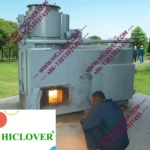
Engineering Excellence in Waste Incineration: A Comprehensive Q&A on HICLOVER Systems
Engineering Excellence in Waste Incineration: A Comprehensive Q&A on HICLOVER Systems
Informational Insights on Waste Incinerators
What are the fundamental technical standards applied in HICLOVER’s waste incinerators?
In the realm of waste incinerators, achieving strict industrial standards is crucial for operational success and environmental compliance. Right from the outset, our detailed guide addresses challenges such as **HICLOVER incinerator troubleshooting** and **medical incinerator operating temperature standards** while ensuring that the system meets rigorous technical temperature standards. HICLOVER waste incinerator systems are designed with a temperature range that exceeds 850°C in the primary combustion chamber and intricate dual-chamber configurations to ensure a high temperature retention, which is essential for complete combustion and minimization of toxic emissions. This engineering reliability is rooted in an adherence to WHO, EU, and other international regulatory references which demand strict control over combustion principles and emissions levels.
For these systems, technical parameters include precision in PLC automation, ensuring that temperature differentials between primary and secondary chambers are actively monitored. The integration of dual combustion chambers, each with customized specifications, results in efficient waste destruction while simultaneously addressing global infectious disease preparedness and decentralized waste management. The inclusion of multi-fuel compatibility—such as diesel, LPG, or natural gas—further supports operations even during crises, including remote mining or oil camps where energy recovery systems may be essential.
Moreover, the detailed engineering process, such as the establishment of digital automation in industrial equipment, assures that parameters like the secondary chamber’s temperature, as explored in resources like medical incinerator secondary chamber temperature standard, are rigorously maintained. The dual chamber design not only widens the operational temperature bandwidth but also facilitates efficient combustion while adhering to ESG compliance and carbon emission reduction pressure. Such engineering precision, supported by a robust factory manufacturing capability, solidifies HICLOVER’s position in the technical landscape of waste incinerators.
Additionally, the systems are equipped with either dry or wet scrubbers to formalize final gas cleaning processes, ensuring emission standards remain within international thresholds. The integration of cutting-edge PLC automation systems guarantees process stability in various operational conditions while significantly mitigating manual intervention risks. Hence, from temperature control to sophisticated combustion efficiency, the engineering foundation of HICLOVER’s incinerators represents a synergy of advanced design and regulatory compliance.
How do the combustion principles and dual chamber design contribute to system efficiency?
The combustion mechanism employed in HICLOVER waste incinerators relies on a rigorous dual chamber design. The primary chamber achieves swift ignition of waste materials, and the secondary chamber reinforces complete burning, ensuring that even volatile organic compounds are effectively oxidized. This dual chamber method is particularly significant for medical waste incinerators where precise control over temperature and emission levels is required. The combustion principles extend to using a mobile plug-and-play design that supports remote site suitability, enabling decoupled operation in crisis zones and humanitarian camps.
Key operational elements include the integration of **containerized incinerator specifications** that allow for mobile modular incinerators to be deployed in remote mining or oil camps. The first chamber rapidly reaches temperatures that surpass 850°C, often maintained within a 900°C to 1200°C range, while the secondary chamber is continuously controlled via automated PLC systems to ensure that any residual emissions are completely destroyed. This dual approach not only advances the system’s combustion efficiency but also meets increasingly strict regulatory references.
The incorporation of auto roll air filters and modern energy recovery systems further enhances thermal efficiency. As a result, operators benefit from a stable supply chain and robust engineering experience, which are particularly beneficial when considering the operational complexities of **Liberia medical waste incinerator china** and other international export requirements. Such strategies are indispensable in environments where crisis management and global infectious disease preparedness are paramount.
Detailed examinations of each parameter ensure that design decisions align with both current digital automation trends and traditional engineering practices. The multi-layered control system minimizes risk and optimizes fuel efficiency—critical factors when operating in compliance with both local and international environmental guidelines.
What are the major differences between fixed incinerators and containerized incinerator systems?
When assessing the selection of incinerator systems for waste management, a key commercial investigation focuses on the distinction between fixed installations and containerized mobile incinerators. Fixed systems often benefit from more expansive infrastructure and are designed for high-volume, centralized waste processing. In contrast, containerized incinerators, as detailed under **containerized incinerator specifications**, offer modular flexibility and rapid deployment—making them ideal for operation in decentralized waste management environments.
The containerized design, a cornerstone of HICLOVER’s product line, integrates PLC automation and mobile plug-and-play configurations. This design advantage is particularly valuable when addressing the demands of remote mining or oil camps and establishing robust response mechanisms in crisis zones and humanitarian camps. The ability to swiftly deploy a containerized system contributes to greater supply chain resilience, ensuring that reliable performance can be maintained regardless of geographical location.
When comparing incinerator types, factors such as automated control via PLC versus manual control become critical considerations. PLC automation grants a high capacity for real-time process monitoring, resulting in reduced downtime and consistent emission control compared to manually operated systems. This distinction is significant for procurement managers who need to balance immediate operational needs against long-term investment strategies.
Moreover, the integration of environmental control units, such as dry scrubbers and optional wet scrubbers, directly addresses the critical issues of carbon emission reduction pressure and ESG compliance. These features ensure that the entire combustion process adheres to stringent parameters necessary for both local regulations and broader international standards. For further technical explanation and detailed specifications, technical engineers can refer directly to insights available on the HICLOVER website, which highlights the engineering experience and modular system flexibility developed in-house.
Additionally, compared to fixed systems, containerized incinerators offer significant operational advantages in terms of remote site suitability. Their plug-and-play design allows for integration in regions facing challenging infrastructural conditions, ensuring a steady supply chain and an operational footprint that supports energy recovery systems coupled with digital automation in industrial equipment.
How do control options and emission reduction features impact